Field robotics

Simulated Aquatic Vehicle for Cave Exploration

A simulated underwater autonomy stack for safe cave exploration using mapping, planning, control, and runtime safety constraints.

Category
Field robotics
Role
Designed an end-to-end autonomy concept integrating perception, planning, control, and safety monitoring.
Technologies
ROS2PLUMEStonefishSLAM3D A*Frontier DetectionSTL Constraints

Overview

A group-built ROS 2 autonomy stack for safe simulated cave exploration. The system combined Stonefish marine simulation and PLUME procedural cave environments with perception, mapping, frontier-based exploration, path planning, waypoint control, and runtime safety monitoring.

Simulation and architecture

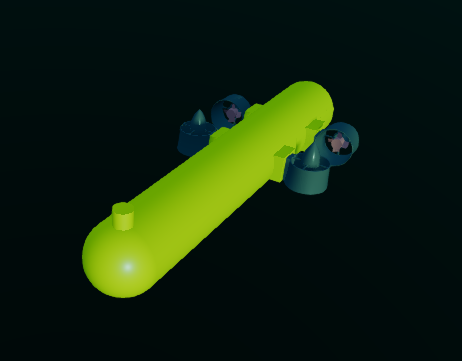
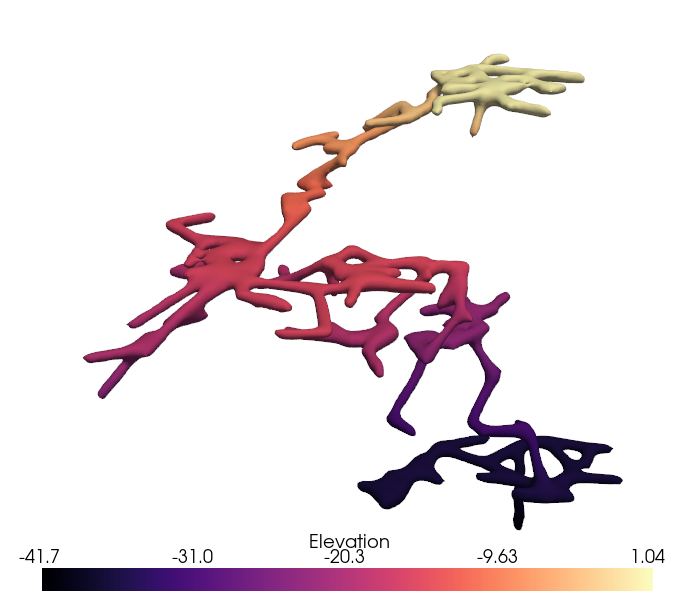
Stonefish provided 6-DOF underwater rigid-body dynamics, sensing, actuation, and ROS 2 integration, while PLUME supplied procedurally generated cave meshes. The system used a hybrid cyber-physical architecture with continuous vehicle dynamics, discrete mission modes, asynchronous ROS 2 message passing, and custom autonomy nodes.

Perception and mapping

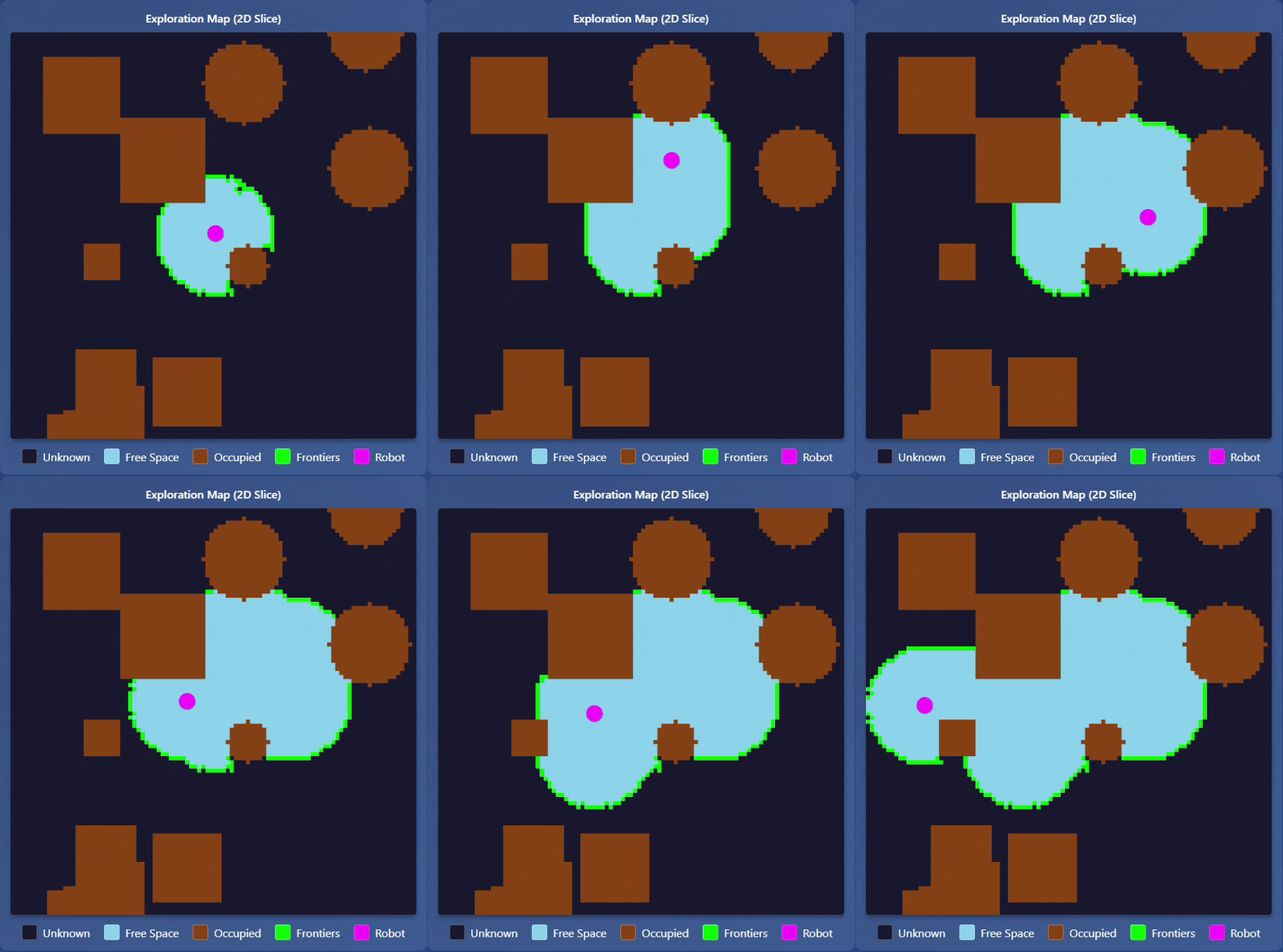
The sensing stack incorporated multibeam sonar, IMU, DVL, forward- and side-scan sonar, and pressure measurements. Custom SLAM fused incremental motion estimates and scan-to-scan alignment to maintain a 6-DOF pose estimate and transform sonar observations into a world-frame point cloud and occupancy representation.

Planning and control

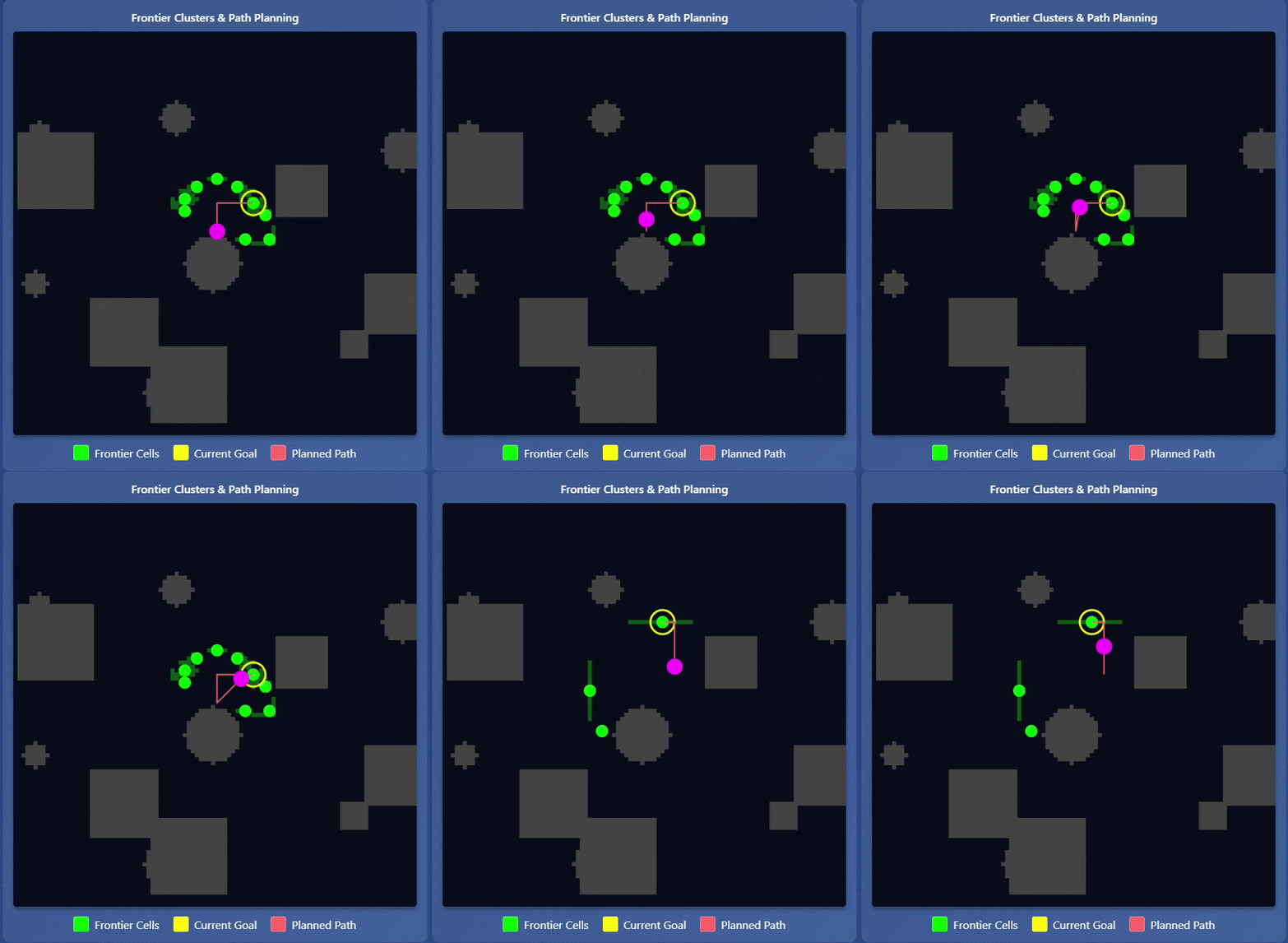
The planner identified frontier cells at the boundary between known free space and unexplored regions, then ranked frontier clusters using information gain and travel cost. An event-driven 3D A* planner generated paths through the occupancy grid, while a waypoint follower used proportional control in surge, heave, and yaw to command the simulated vehicle.

Runtime safety and limitations

Real-time STL monitoring with RTAMT evaluated collision avoidance, control bounds, velocity limits, and mission-related requirements during execution. Current limitations included non-reactive obstacle avoidance, simplified 4-DOF control, no buoyancy control, and monitor outputs not yet fully connected to event-driven failsafes.